The Gangster Era of Cinema in the 1930’s and the masculinity it preached.
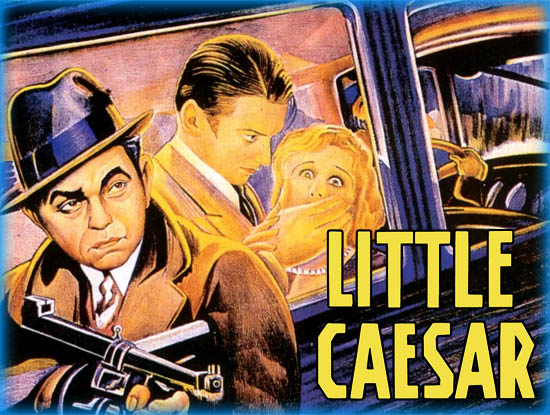
[Still from Little Caesar (1931)]
The rise in popularity of the Gangster movie genre coincided with the Wall street Market Crash of 1929, and the Great Depression era of 1929- 1939. A period of high unemployment, and a rise in poverty led to an increasing male population that desired escapism, and valued the concept of the American Dream. The idea that one could pull oneself up by their own bootstraps, rising above poverty, and obstacles to achieve a life of wealth and glamour that the previous decade had idealised in the form of the Roaring 20’s. Films such as ‘Little Caesar'(1931), and Public Enemy(1931) produced by Warner Brothers, and ‘Scarface'(1932) made by Universal pictures, secured the connection between the lower class, poorer immigrant character, and the gangster. This portrayal of the gangster as an everyman who does what it takes to reach the top, offered a distorted, and perverted version of the American Dream. This connection between the gangster, and poverty stricken immigrants who turn their lives around, and better themselves, while worsening the lives of other people offers an interesting insight into the power fantasy of the era. The connection between the American dream and the gangster, in my opinion, may have allowed the male audience of the decade to sympathise with the villainous gangster as a fellow man attempting to assert his authority in a society that doesn’t value him, who seeks out what the American society has always preached as possible in the American Dream, despite whatever he must do to achieve it.
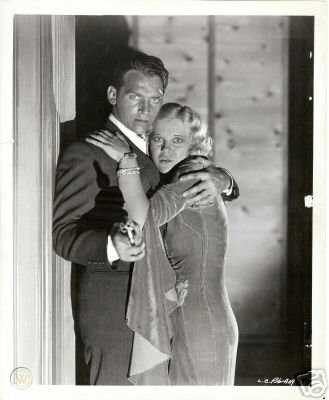
[Still from Little Caesar (1931)]
While the studios that made these gangster films, particularly Warner Brothers, did often condemn the actions of these characters, frequently depicting their lives ending in particularly brutal ways. For example the film Scarface(1931) portrayed such violence that the Hays Office, a body of censorship during this period, forced Warner Brothers to add a subtitle to the film, ‘Scarface: Shame of a Nation’, and to add a disclaimer before the film stating that the studio was in fact opposed to the gang violence that they were portraying. This example offers an insight into the social consciousness of the time; while of course society on large opposed the idea of organised crime, their suave portrayal in gangster films of the 1930’s, earned them significant respect and envy from moviegoers, who could not help but idealise them as paragons of working class masculinity.
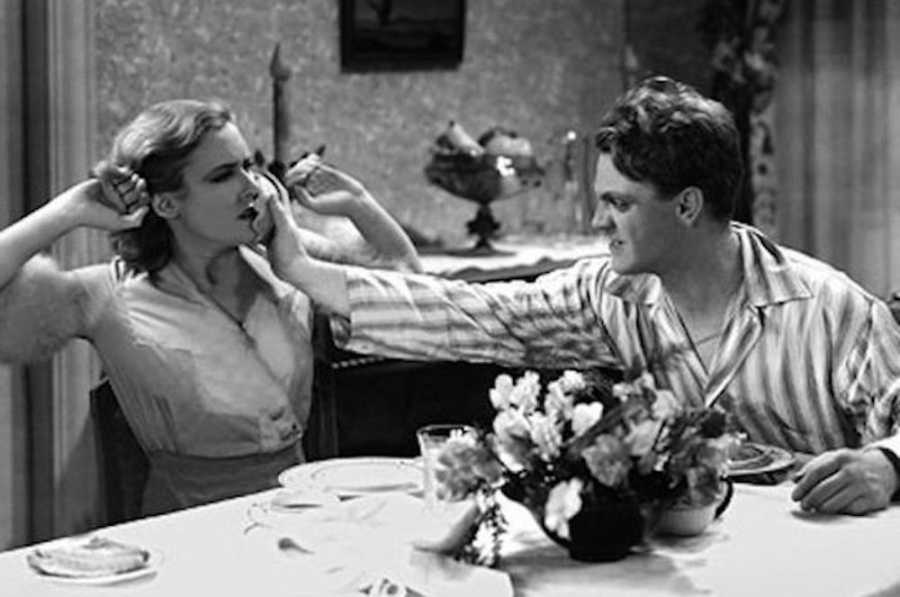
[Still from Public Enemy (1931)]
The successes of these gangster characters within the course of these genre films is undeniable, by abandoning the morals that would hold them back, and turning to a life of crime that requires particular brutality, these men become powerful, wealthy, and respected figures. The gangster characters in these films were crafted to entertain audiences, who frequently identified with the down on his luck character who would become the gangster. These films portrayed a particularly brutal masculinity, that attributed wealth and power to the male character’s ability to perform violent and aggressive acts, to ignore moral quandaries, and subvert figures of authority such as the police. The materialism, style, self-destructive nature, and street smarts of the gangster character, along with his frequent impulse to objectify or harm women, are reflective of many men’s desire for status, respect, and power in a time in which many of them felt particularly emasculated by the rising number of women in the workforce, combined with increasing unemployment around the country, as many families fell into poverty, and toward the edges of societal engagement. The gangster genre in the 1930’s offered an ideal of male power and dominance, particularly over women, during a time period in which a majority of men were feeling particularly emasculated by the loss of their traditional social standing, and the rising economic freedom of women.
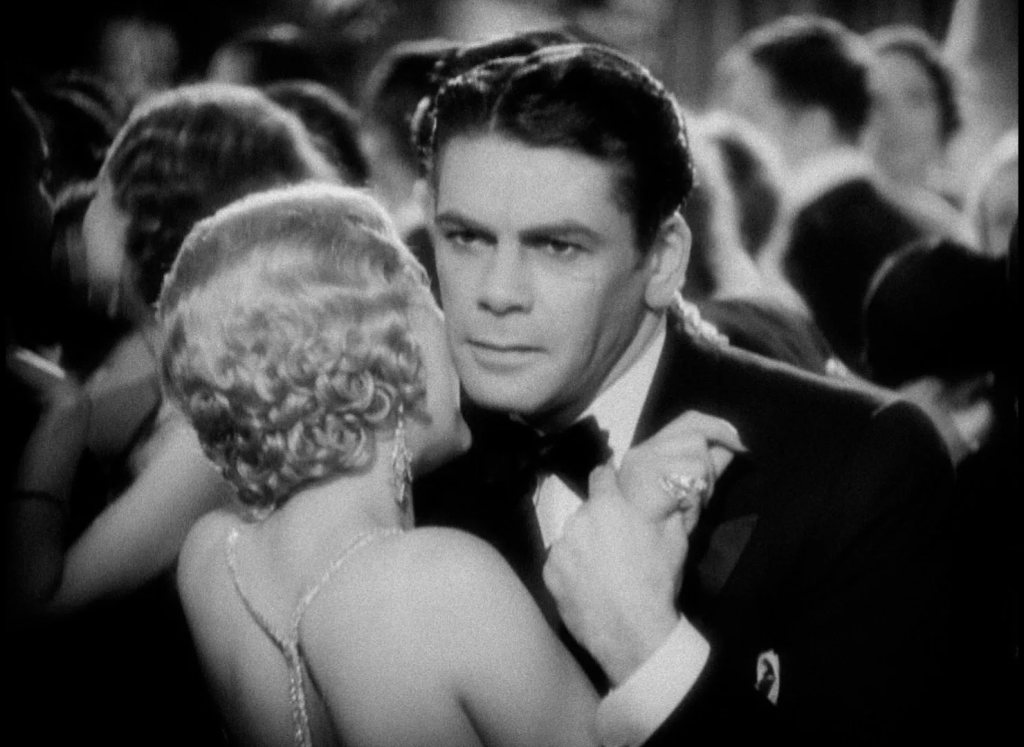
[Still from Scarface (1931)]
It is important to note the enormous success of the Gangster film during this period of the 1930’s, as by the 1940’s the gangster genre began to fall by the way side. The period of Prohibition that was in place in the United States from 1920 until 1933, offered a context in which criminals performed crimes that were largely victimless, that is; the acquiring and distribution of alcohol. During the Great Depression, the figure of the gangster offered an ideal of manhood, a man who overcame all obstacles to his success by force if necessary. A man who rises above the poverty he was born into to provide for himself, and enjoy the materialism and sexuality afforded to him by his status. The masculinity of the gangster is a somewhat primitive one, an ideal of patriarchal machismo by which the male figure will take what he wants despite any and all obstacles in his way. The escapism, and power fantasy that this genre offered men was extremely popular during the 1930’s, however as the 1940’s approached, “The novelty of movie gangsters had been exhausted, and the crisis mood of despair and bewilderment that gripped the country in the early days of the Depression did not return.”(Rosow, 1978.) As the country began to recover from the Depression, it began to turn from the violent power fantasy of these gangster films, as war time approached the criminal figure, and thus the aggressive masculinity he promoted, somewhat lost its charm.
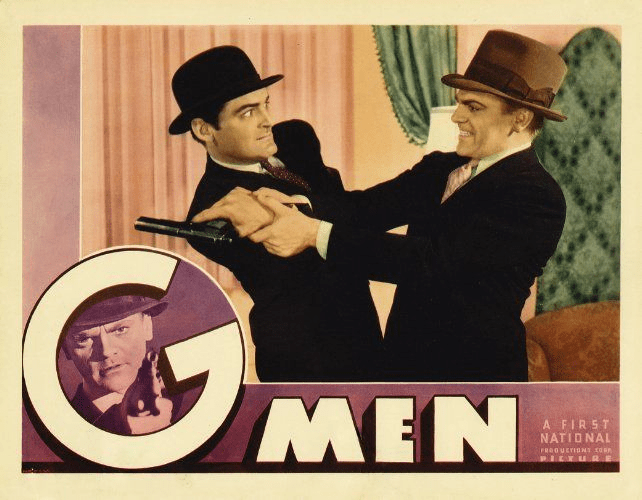
[Promotional content for the film G-Men (1935)]
Bibliography
Armengol, Josep M. Gendering the Great Depression: rethinking the male body in 1930s American culture and literature. Journal of Gender Studies. 2014. pp 59-68.
Rosow, E. (1978). Born to lose: The gangster film in America. New York: Oxford University Press.
 And that's how Lucy sees it